
Portugal is often described as an investment destination, a haven for retirees and a base for digital nomads. Yet the range of people who may feel at home here is far wider: cultural and knowledge workers, academics, artists, entrepreneurs, engineers, remote professionals, outdoor enthusiasts and families seeking a different rhythm of life may all find their place in different parts of the country—and perhaps recover a long-missed sense of belonging.
This is not another abstract ranking of the “best places to live”. It is about the fit between different people and different ways of living in Portugal. These ten facets reveal a country richer than its sunshine, coastline and residence visas.
1. A bookshop can live for nearly 300 years—and reading can become a citywide celebration
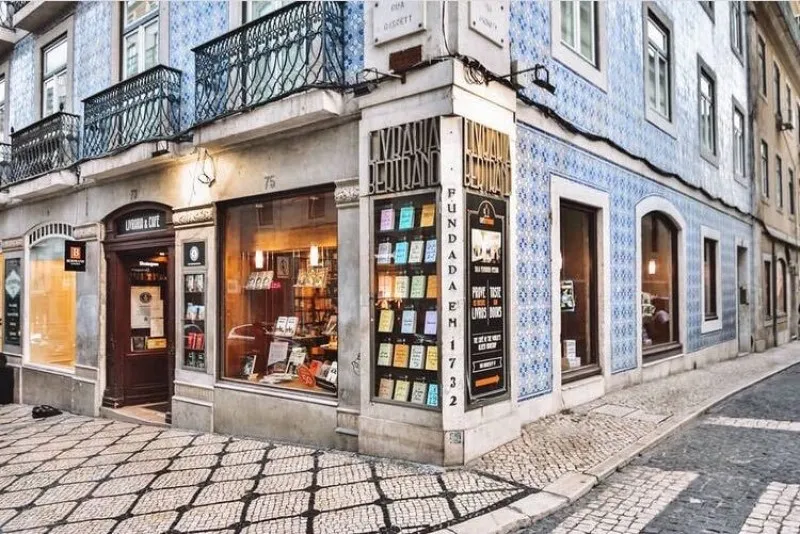
Bertrand in Lisbon’s Chiado district was founded in 1732. Guinness World Records recognises it as the longest-running bookshop in the world—not merely the oldest in Europe, but the oldest continuously operating bookshop anywhere.
What makes it moving is not simply its age, but the fact that it remains an ordinary bookshop. People buy newly published books, attend events and pass its doors on their daily journeys. History has not been sealed behind glass; it continues to take part in city life.
That reading culture also spills into the streets. First held in 1930, the Lisbon Book Fair now brings publishers, booksellers, writers and readers together in Eduardo VII Park each year. It is not a closed trade event, but a public cultural celebration shared by the city.
Around 80 km from Lisbon, Óbidos chose another path. In 2013, a former church became a bookshop and helped launch the town’s literary-town initiative. Markets, museum shops, galleries and other public spaces subsequently made room for bookshops of their own. Óbidos joined the UNESCO Creative Cities Network as a City of Literature in 2015. Every autumn, the FÓLIO International Literary Festival brings writers, publishers, artists and readers inside its medieval walls, making literature part of local life.
For readers, writers, editors, translators and publishers, belonging may feel precisely like this: words are not decorative features of a city, but part of its living routine. Lisbon preserves the continuity of a bookshop and turns reading into an annual civic festival; Óbidos has used books to bring new life to an old town.
2. A university more than 700 years old treats knowledge as a public trust
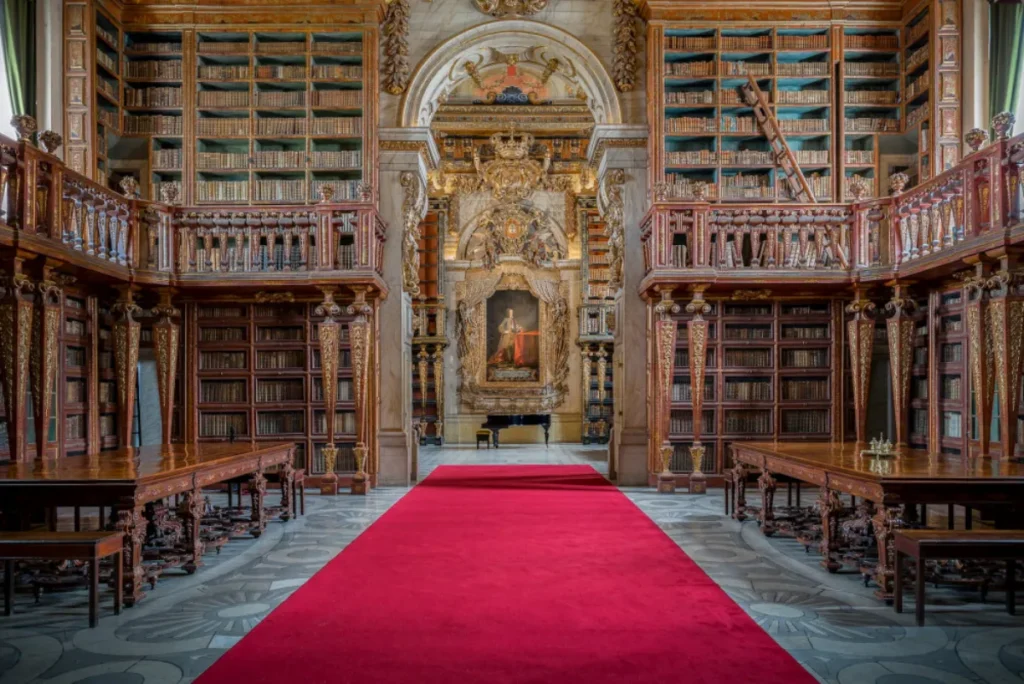
Founded in 1290, the University of Coimbra is the oldest university in the Portuguese-speaking world and one of the oldest in Europe. It moved several times between Lisbon and Coimbra before settling permanently in Coimbra in 1537; its university and urban ensemble became a UNESCO World Heritage Site in 2013.
Less well known is that two colonies of bats have long lived inside the ornate Joanina Library. At night, they feed on insects that would otherwise damage the books and have helped protect the collection for around 250 years. Almost 60,000 volumes, walls more than two metres thick, insect-repelling oak shelves and the bats themselves form an ancient but effective preservation system.
What an academic may sense here is more than the prestige of a historic institution. It is the seriousness with which knowledge is treated as a public trust passed between generations.
3. From a ceramics town to an all-night contemporary arts festival
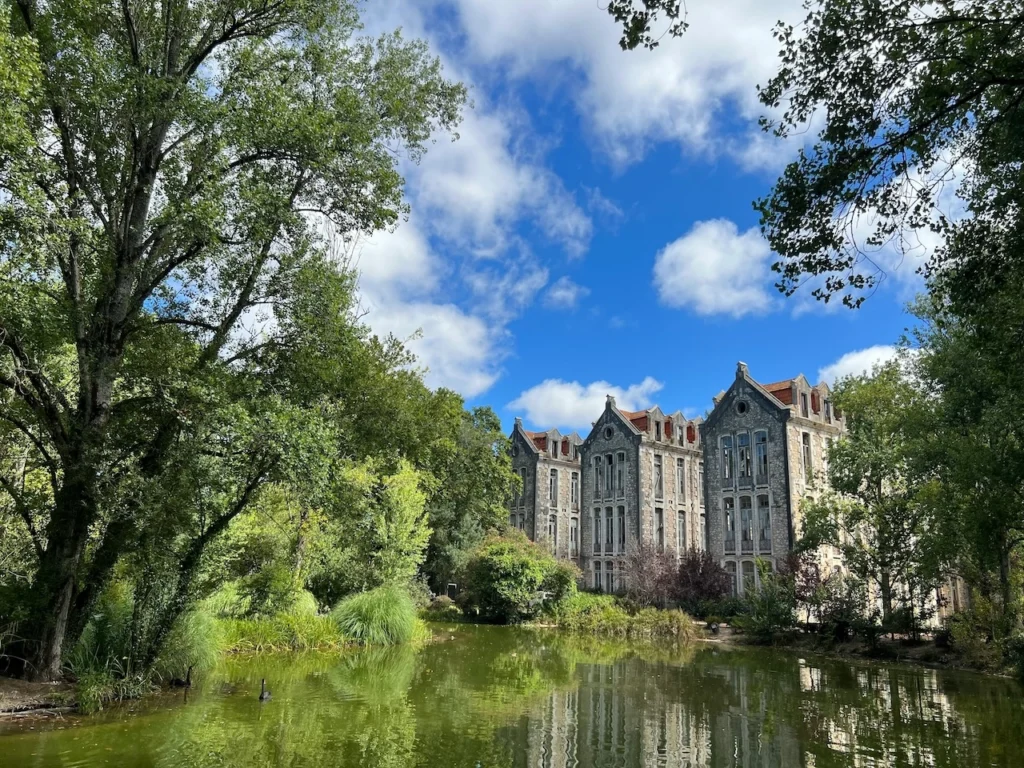
Artistic life does not belong only to metropolitan galleries. Caldas da Rainha, a town of around 60,000 people in western Portugal, has nearly 500 years of ceramic tradition, working factories and numerous studios, as well as a school of arts and design.
It joined the UNESCO Creative Cities Network for Crafts and Folk Art in 2019. Ceramics here are not an old craft staged for visitors: artisans, designers, students, industrial producers and contemporary artists continue to influence one another.
In Porto, that creative energy gathers at festival scale. Serralves em Festa has become one of Portugal’s most important contemporary arts events. Its twentieth edition in 2026 runs continuously for 50 hours, filling the museum, Serralves Villa and its park with exhibitions, music, dance, street theatre, circus, film and workshops—all free to the public.
For creative people, a large city offers encounters and visibility; a smaller place may offer materials, space, mentorship and a recognisable community. Caldas is a place to put down roots, while Porto is a place to meet. Together, they show that Portugal’s creative ecosystem is not confined to one model of metropolitan life.
4. After the technology summit ends, innovation continues
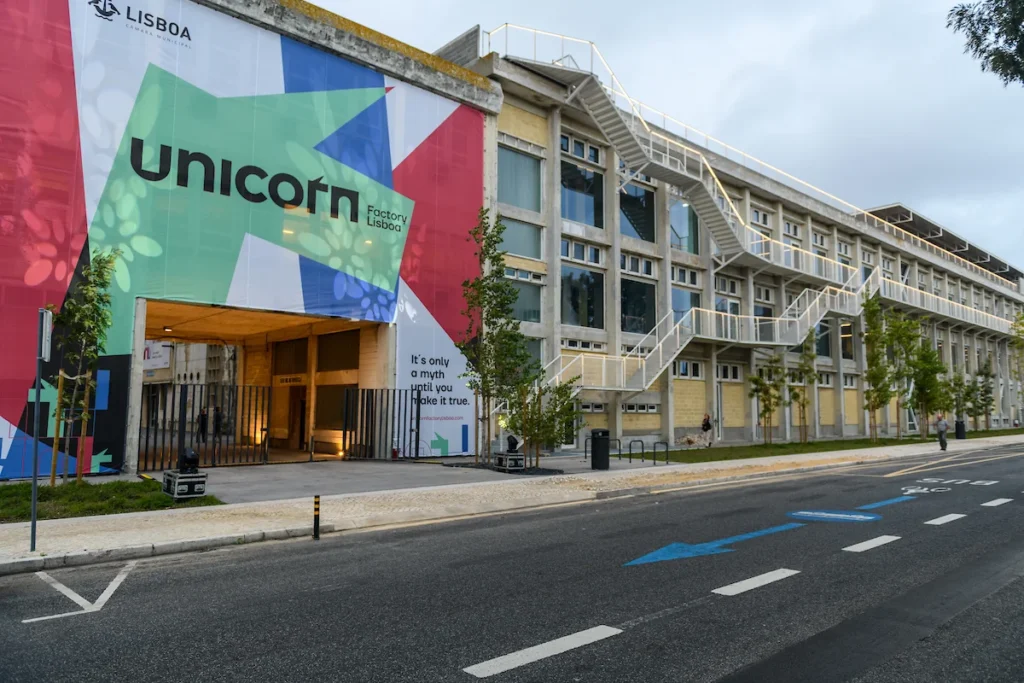
Many people first hear about Lisbon through Web Summit. Fewer know that the European Commission named it the European Capital of Innovation in 2023. The award recognised more than a single event: it considered how the city connects public institutions, universities, start-ups, investors and communities into an innovation ecosystem.
At the Beato Innovation District, Unicorn Factory Lisboa turns that ecosystem into accessible places and programmes. Incubation, scale-up support and specialist centres in fields such as gaming and artificial intelligence continue to bring people together here.
This does not mean Lisbon has reproduced London or Silicon Valley. Its appeal may lie elsewhere: entrepreneurs can enter European innovation networks without surrendering their entire life to a megacity.
5. From the Pombaline Baixa to the Lisbon Architecture Triennale
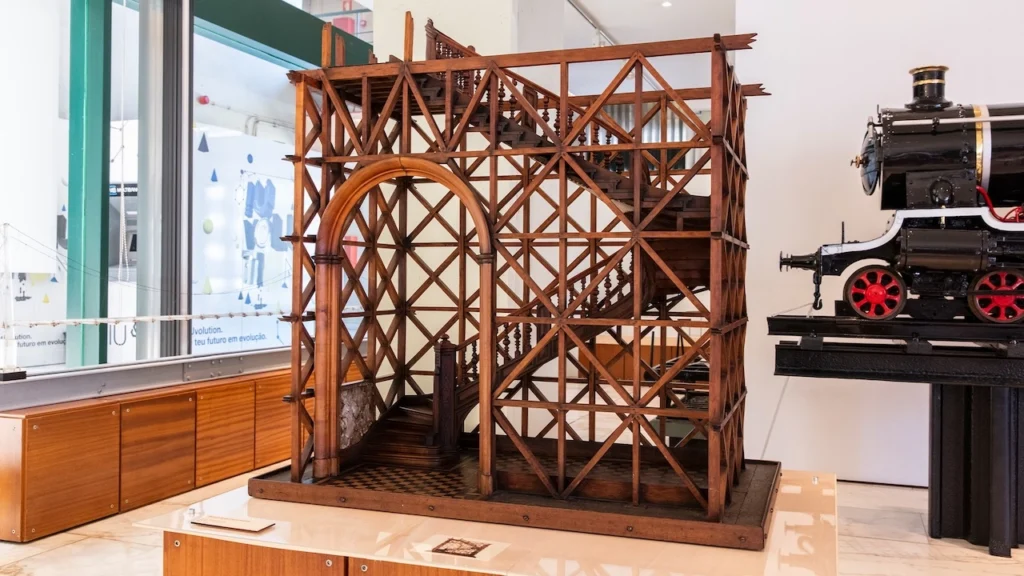
The 1755 Lisbon earthquake and the tsunami and fires that followed destroyed the city centre. During the reconstruction, the Pombaline Baixa was laid out on a regular street grid. Inside its buildings, timber frames known as the gaiola pombalina, or Pombaline cage, were used to improve resistance to earthquakes.
Walking through the Baixa today, what appears to be an orderly collection of classical façades is also an eighteenth-century city’s systematic response to disaster—one concerned with safety, efficiency and order.
Lisbon’s architectural conversation did not stop in the eighteenth century. Founded in 2007, the Lisbon Architecture Triennale uses exhibitions, talks and interdisciplinary research to return architecture to public discussion. Its seventh edition, held in 2025 under the title “How Heavy Is a City?”, examined how materials, energy, technology, climate and collective life are reshaping cities.
There is also a practical lesson here for anyone considering an older property: historical character and technical condition are not the same thing. Structure, alteration records, the use licence, condominium documents and responsibility for future repairs matter more than a photograph of a beautiful tiled wall.
6. Terroir became an institution as early as 1756
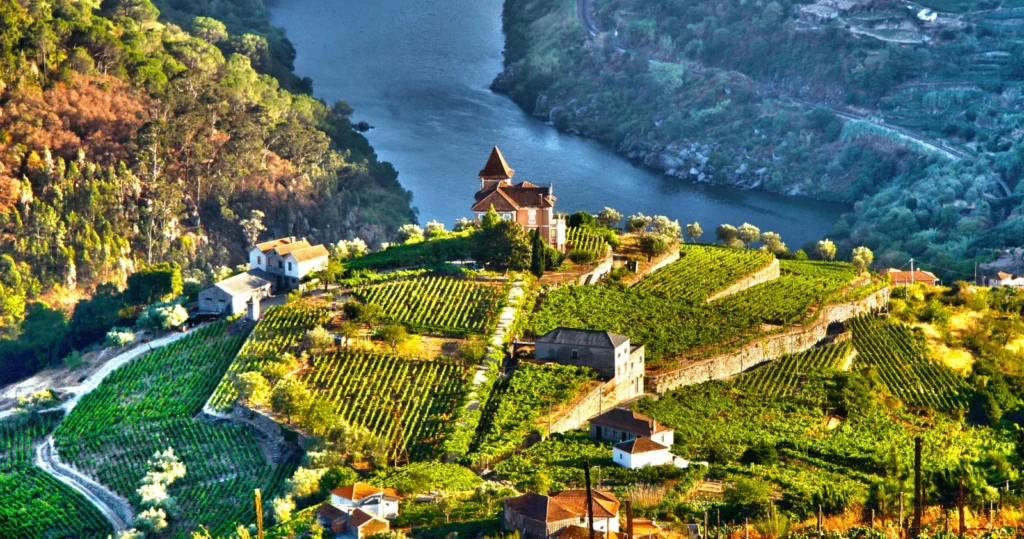
Wine has been produced in the Douro Valley for around 2,000 years. In 1756, Portugal demarcated the region for Port wine and established rules and a regulatory body. The Douro and Port Wine Institute describes it as the world’s first system of designation of origin.
This history belongs to more than the wine trade. Terraces, estates, villages, stone walls, water sources and transport routes together shaped the Douro cultural landscape, which became a UNESCO World Heritage Site in 2001.
Chefs, sommeliers, agricultural professionals and anyone who values skilled craft may recognise a particular form of belonging here: the worth of a product comes not only from a recipe, but from land, rules, patience and knowledge carried across generations.
7. From cork landscapes to the Atlantic
Portugal’s natural world is not simply scenery to be observed. Inland, cork-oak woodlands are both ecosystems and economic landscapes shaped over centuries. Portugal produces around half of the world’s cork. Skilled workers harvest only the outer bark without felling the tree, leaving at least nine years between harvests. A mature cork oak can continue producing high-quality cork for around two centuries.
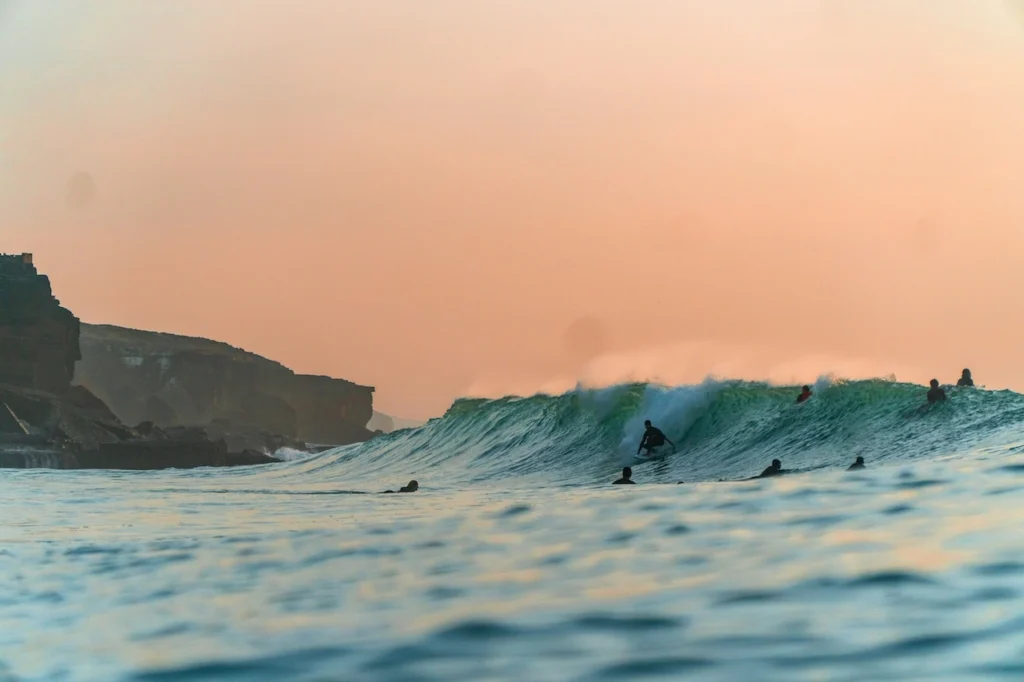
Along the Atlantic coast, people have formed a different relationship with nature. Ericeira became Europe’s first World Surfing Reserve in 2011—not only for the quality of its waves, but also for its marine environment, surfing culture and community-led conservation. Praia do Norte in Nazaré is internationally renowned for the giant waves formed by its submarine canyon, and has hosted multiple surfing records. Supertubos in Peniche has earned its place on the global surfing map through its barrels and professional competitions.
These three coastal places do not offer the same life. Nazaré belongs to big-wave athletes testing the limits; Peniche connects daily training with international competition; Ericeira feels more like a seaside town where someone can live year-round, learn to surf and join a local community. For materials researchers, environmental professionals, surfers and families who want the outdoors woven into everyday life, Portugal’s attraction is not merely that it has abundant nature. Nature still organises work, culture and the rhythm of life.
8. Madeira offers more than a desk by the sea
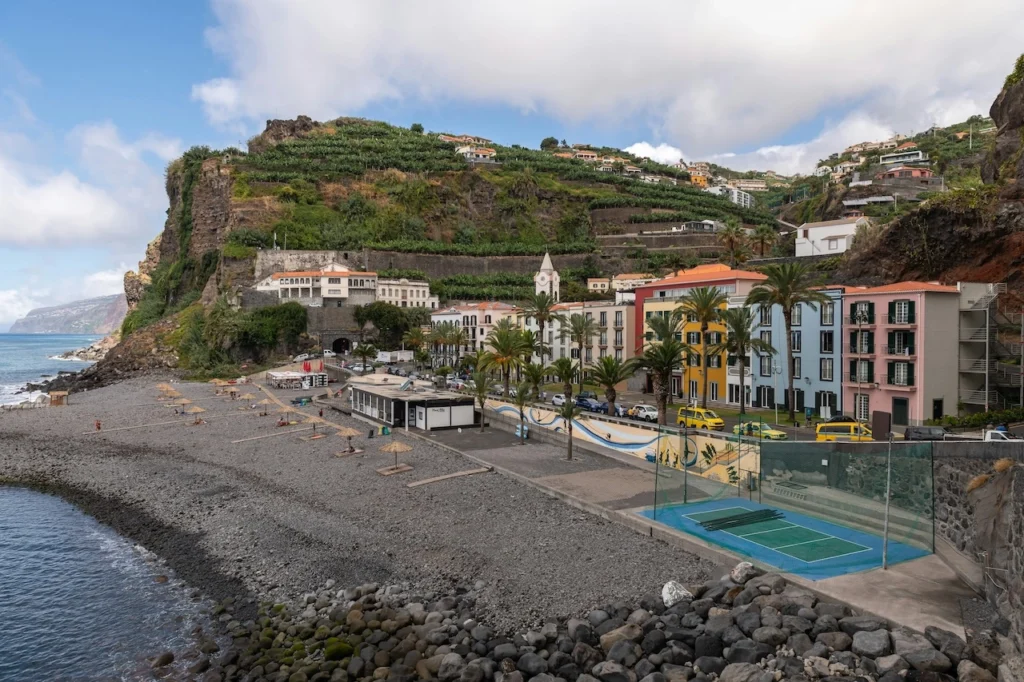
The easiest thing for a remote worker to find is a desk. The hardest is a sense of connection. From the beginning, the Digital Nomads Madeira initiative in Ponta do Sol set out a clear aim: to give remote professionals a place to work and meet one another while also connecting with the local community.
This is different from the logic of a short holiday. Whether someone can truly stay usually depends less on the sea view than on compatible time zones, dependable internet and workspace, opportunities to meet peers and the possibility of building a repeatable life after work.
Madeira therefore matters not simply as a photogenic remote-work destination. Portugal made a deliberate attempt here to treat a new way of working as a community question. It suits more than people who can travel with a laptop; it may suit those willing to create an everyday life in a new place.
9. Reclaiming time on a volcanic island
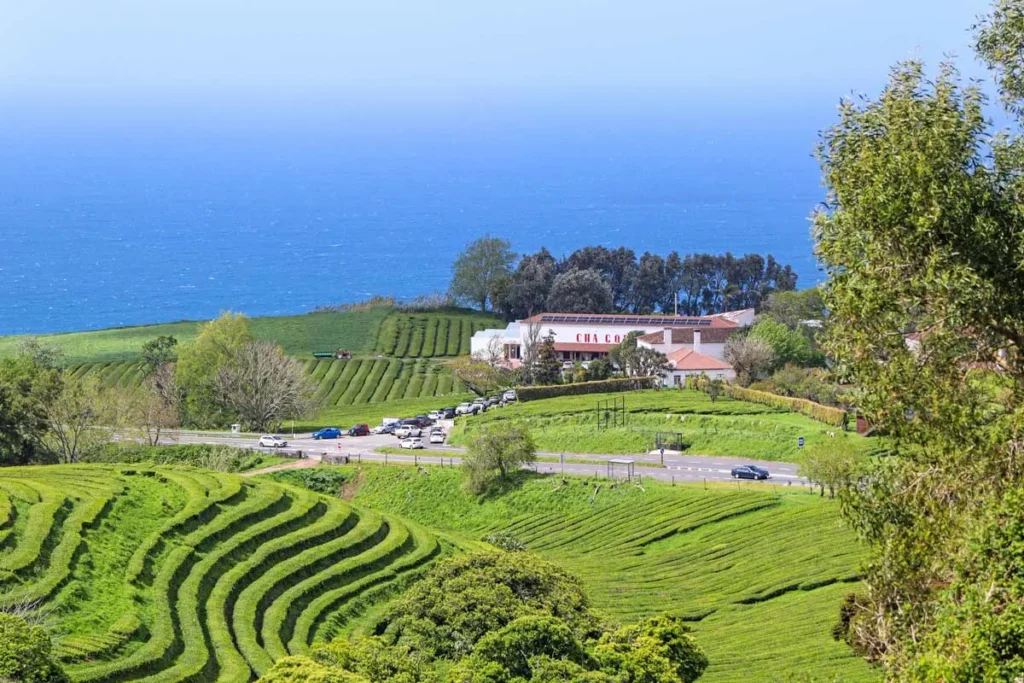
On São Miguel in the Azores, the Gorreana Tea Plantation has operated continuously since 1883 and is the oldest surviving tea plantation in Europe. Tea bushes, dark volcanic soil, an oceanic climate and gently rolling green slopes create a setting entirely different from mainland Portugal.
The point is not that everyone should move to an island. Quite the opposite: it shows that “life in Portugal” is not a single template. Some people need Lisbon’s flight connections and cultural density; others prefer Porto’s scale; and some genuinely seek the quiet and natural environment of the islands.
A sense of belonging in retirement need not mean doing nothing. It can come from choosing afresh how each day will be used.
10. Turning an entire city into an innovation laboratory
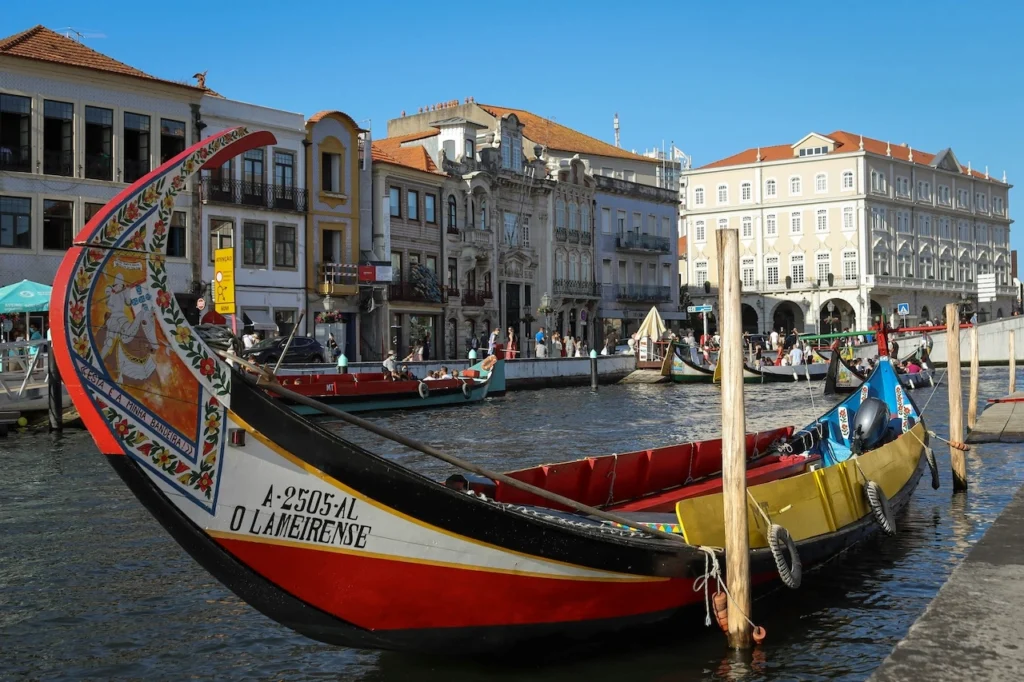
Visitors often see Aveiro through its canals, colourful moliceiro boats and Art Nouveau façades. Beneath those familiar images, however, lies a technical infrastructure that spans the urban area.
The Aveiro Tech City Living Lab combines advanced communications networks with an urban data platform. Fibre, 5G, reconfigurable radio equipment and sensors distributed across the city turn public space into a large open testing ground. Research institutes, digital businesses, start-ups and R&D teams can develop, test and demonstrate new products and services in a real urban environment.
More interestingly, technology has not turned Aveiro into a characterless “smart city”. It retains a distinctive Art Nouveau identity and is serving as the rotating president of the Réseau Art Nouveau Network from 2025 to 2028. Engineering, university research, traditional architecture, the lagoon and daily life are not mutually exclusive choices here.
If Lisbon suits people who need capital, clients and international start-up networks, Aveiro offers another kind of technological belonging: a smaller city where research and daily life sit closer together, and where the city itself becomes a project in which people can participate.
Portugal offers more than one way of life—and more than one way to arrive
Portugal’s appeal, and the surprises it holds for different people, extends far beyond these ten facets. The country also welcomes people through several residence visas and programmes. No route suits everyone. The central questions are whether you intend to relocate to Portugal, and how your income, work or business will continue once you do.
The advantage of the Portugal Golden Visa is that it does not require a full-time move. It can suit families who wish to maintain their work, schooling or family life in their current country while obtaining Portuguese residence and preserving future options in Europe.
The advantage of the Portugal D2 Visa is that entrepreneurship or independent professional activity can form the basis of a residence route. It can suit people preparing to establish a business in Portugal, expand an existing company or work on a self-employed basis.
The advantage of the Portugal D7 Visa is that stable personal income can support a genuine relocation. It is commonly assessed by people with a pension, rental income, dividends, royalties or other sustainable passive income who intend to make Portugal their main home.
The advantage of the Portugal D8 Visa is that your work can remain international while your life takes root in Portugal. It can suit remote professionals employed by a company outside Portugal, or those who continue to provide services to clients abroad while living in the country.
The fundamental distinction is this: the Golden Visa combines a qualifying investment with a comparatively low physical-stay requirement. D2, D7 and D8 are relocation routes based respectively on entrepreneurship or independent professional activity, stable personal income, and remote work for an overseas employer or clients. If you are ready to relocate but are unsure which option fits, compare the principal Portugal D visas.
Six common questions about living and residing in Portugal
Who is Portugal best suited to?
Portugal may particularly suit people who want to place work, personal interests and family life on the same map: entrepreneurs who need access to European innovation networks; researchers who value academic tradition; artists who depend on materials and community; professionals able to work remotely; people redesigning retirement; and families who want the ocean and outdoor activity to be part of everyday life. The real fit still depends on income structure, time spent in the country, family needs and choice of location—not on a single country ranking.
Is Lisbon the only Portuguese city suited to international residents?
No. Lisbon offers flight connections, clients, capital and cultural density. Coimbra is closer to university and research life; Aveiro has strengths in urban technology and R&D; Caldas da Rainha has ceramics and design communities; and Madeira and the Azores offer entirely different island environments. It is more reliable to establish what you need before choosing a city than to chase the “most popular” destination. Those already preparing to relocate can also compare different places to live in Portugal.
Should technology professionals choose Lisbon or Aveiro?
If you need investment, international clients, start-up events and a larger professional network, Lisbon is usually the first place to assess. If your work is closer to R&D, communications, smart-city testing or university collaboration—and you want a shorter distance between work and everyday life—Aveiro deserves serious consideration. This is not a hierarchy; the two cities offer different resource structures and urban scales.
Which visas do remote workers, retirees and entrepreneurs usually assess?
People working remotely for employers or clients outside Portugal usually assess D8 first. Those with a stable pension or other passive income who intend to relocate generally consider D7. People planning to establish or expand a business in Portugal, or to operate as independent professionals, normally assess D2. Eligibility must still be confirmed against each applicant’s income, documentation, place of application and family circumstances.
Can I obtain Portuguese residence without moving there full-time?
The Portugal Golden Visa may be worth assessing. It is an investment residence route for people who want to maintain their main life elsewhere while obtaining residence in Portugal. Applicants must make and maintain a qualifying investment and comply with the applicable stay and renewal requirements. It is a different form of life planning from D2, D7 and D8, which are intended for genuine relocation.
Can buying property in Portugal still qualify me for the Golden Visa?
No. Since the relevant reform took effect in October 2023, direct property purchases have no longer qualified as a route for new Portugal Golden Visa applications. Property can still be considered as a home, rental property, holiday residence or independent asset, but it must be assessed separately from Golden Visa eligibility.
Find the Portugal that feels like yours—and the route that fits it
The Golden Portugal does not begin with a particular visa and work backwards to define your life. We begin by understanding the environment in which you live and work best, how much time you can spend in Portugal each year, how your income or business will continue, and which family members need to be included.
Once those answers are clear, we can compare the Golden Visa, D2, D7 and D8 so that your residence route and choice of location support the life you actually want, rather than pulling in different directions.